Growth in the Time of Great Uncertainty
Executive Summary
Last April may have been the most data-dense month for investors in recent memory. In the span of thirty days, markets processed a geopolitical ceasefire, a historic equity rally, a deeply divided Federal Reserve decision, ongoing tariff litigation. It was, in short, a month that required investors to hold many things in mind simultaneously.
The S&P 500 gained 10.5% in April, its best month since November 2020. The Nasdaq-100 surged 15.7%, a performance not seen since 2002. The ceasefire between the U.S. was seen as the spark, resulting in a knock-on effect: energy markets settled, confidence returned, and investors who were sitting on the sidelines moved back into the markets swiftly. The gains were real and they were broad.
The full, nuanced picture is also worth sitting with. The Federal Reserve met in April and kept rates unchanged at 3.50% to 3.75%; its third consecutive hold. What made the meting notable was the degree of internal disagreement; with four members dissented, the most divided vote since 1992. Jerome Powell also chaired his final meeting as Fed Chair, with Kevin Warsh set to take over – a handover that brings its own questions about the direction of monetary policy. Overseas, China’s Q1 GDP came in at a solid 5% year on year, though growth was driven primarily by exports and government spending than by consumer activity, which would be a stronger signal of durable recovery. On trade, the U.S. continued shifting away from IEEPA-based tariffs (struck down by the Supreme Court) toward Section 122 measures and bilateral trade agreements, the legal standing of which is still being worked out.
Despite the surrounding complexity, KDI’s portfolios recorded 1-month gains of 1.6% to 3.3% across risk profiles, with 1-year returns of 2.3% to 16.6%. Our diversified exposure, cutting across equities, fixed income and commodities was positioned to reflect the uncertainty of the current market environment. This approach might seem counterintuitive prima facie when markets rally, but this time-tested approach remains to be a boon in months where markets move in the opposite direction. The honest message for the month of April is this: The complexity has not resolved, it has repriced.
The role of a well-constructed, globally diversified portfolio is to remain well-positioned across the range of possibilities in the coming years. KDI will continue to invest capital responsibly to help our clients achieve positive outcomes in the long run.
Fund Performance Highlights
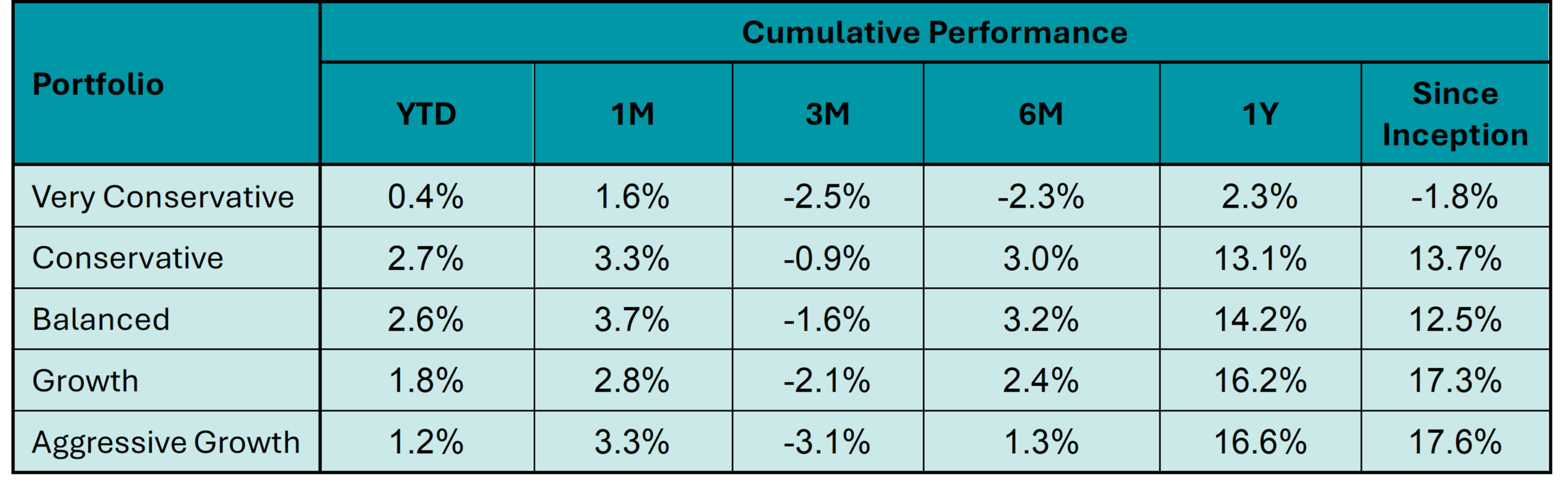
Table 1: KDI Invest Portfolio Performance (as of 30 April 2026).
The provided table offers information on the cumulative performance of selected KDI portfolios since their launch on February 15, 2022. The portfolio returns (in USD) range from -1.8% to 17.6%. In 2026, the portfolios recorded returns within a range of 0.4% to 2.7%.
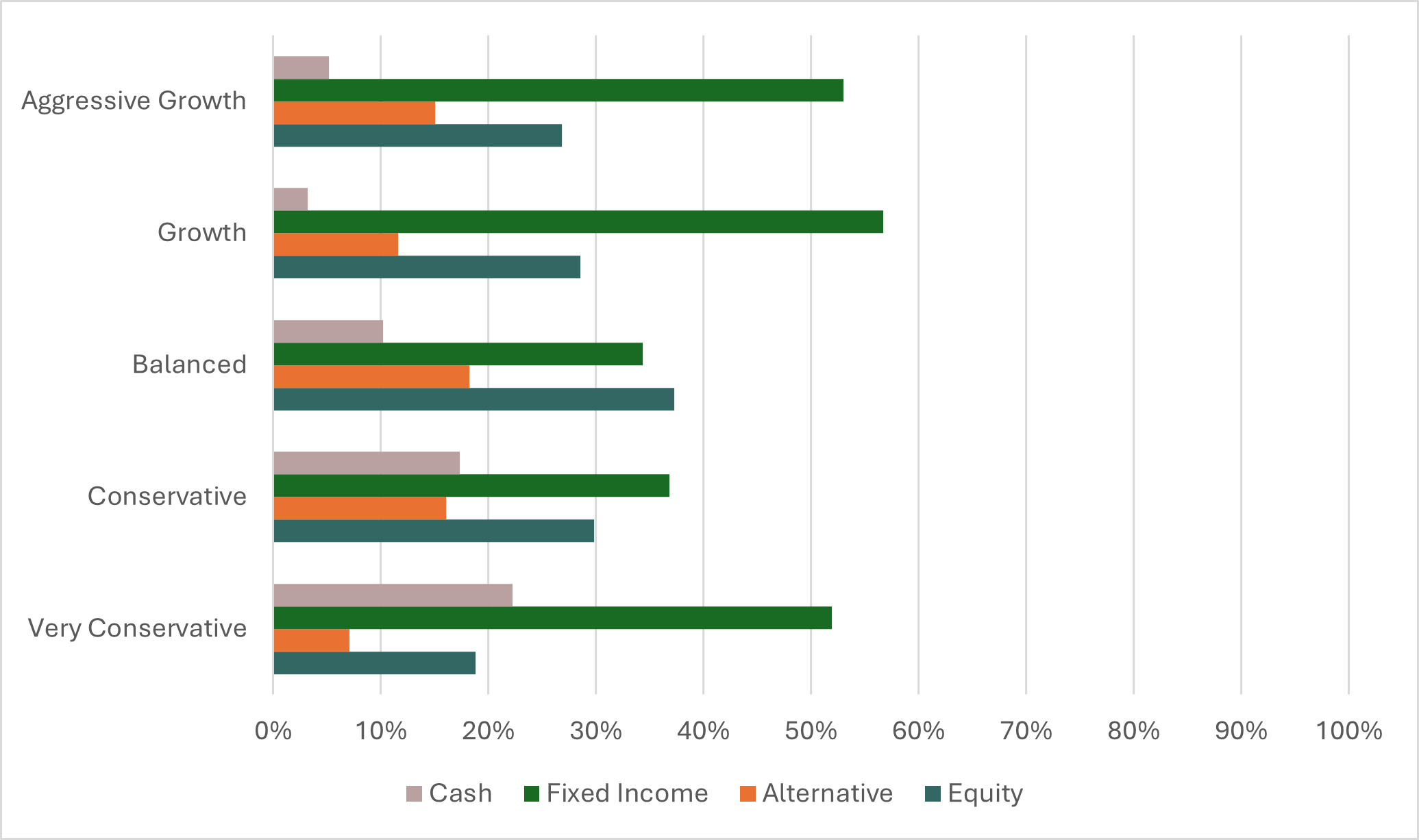
Chart 2: Asset Class Exposure (as at 30 April 2026).
In April, our portfolio maintained a diversified exposure in equity, bonds and commodities as a defensive response to the conflict in the Middle East. The move was driven by rising geopolitical uncertainty and the need to limit downside risk.
Kindly note that the performance and asset class exposure illustrated above are derived from five proxy portfolios. The actual performance and exposure of your investment portfolio may differ due to the customisation made by our proprietary algorithms that tailors the investment to your unique risk profile, as well as the timing of market entry
Market
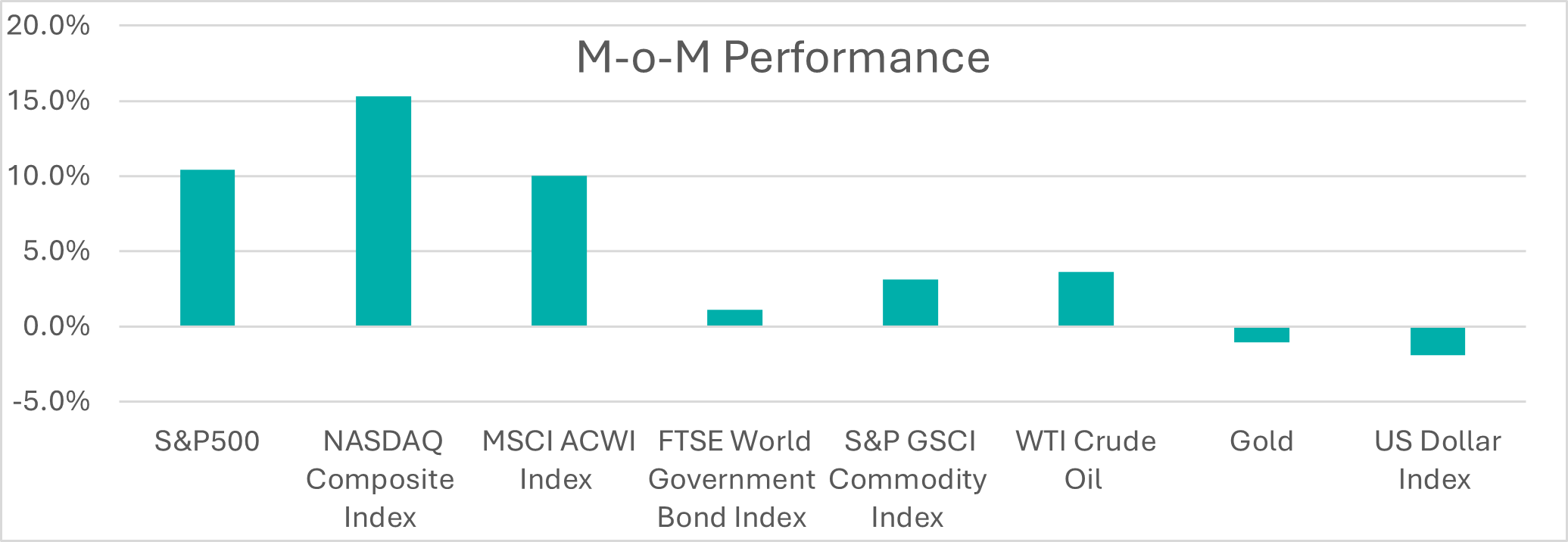
Chart 1: Index Performance in April 2026.
The US stock market had a strong April, with major indices hitting new highs. The S&P jumped 10.5%, its best monthly gain in over 5 years, while the Nasdaq Composite soared 15.7%, marking its strongest month in more than 2 decades. The rally was fuelled by a combination geopolitical de-escalation – specifically a ceasefire between the US and Iran that calmed energy market fears – and a strong start to the earnings season.
The 10-year Treasury yield rose modestly to 4.37% from 4.32% in March as surging oil prices raised concerns over stickier inflation, prompting investors to push back expectations for interest rate cuts. CME FedWatch data indicated a 6.4% chance of 25bps rate cut at the US Federal Reserve’s (‘Fed’) upcoming 17 June 2026 meeting.
Gold edged slightly lower in April 2026 as profit-taking offset safe-haven demand. Oil stayed elevated and volatile on Middle East supply disruption risks. Bitcoin surged by 12% to $75,939 on renewed risk appetite.
The US dollar weakened against the Malaysian Ringgit, ending Apr-2026 at 3.9717, from 4.0495 in end-Mar 2026. In 2026, the Malaysian ringgit appreciated by 2.2% against the U.S. dollar.
Outlook
US Q1 GDP rebounded to a solid 2.0%, signaling steady underlying growth led by investment and government spending; inflation remained sticky, with March PCE inflation at 3.5% y/y (and core still elevated) amid higher energy costs. Retail sales surprised on the upside, showing the U.S. consumer remained resilient despite rising prices. Overall, April data painted a picture of steady growth with persistent inflation pressure.
At its April 2026 meeting, the Fed kept the policy rate unchanged at 3.50%–3.75%, reinforcing a higher for longer stance as inflation remained sticky. The decision was notable for an unusually high level of dissent, highlighting internal concern that cutting rates too soon could reignite inflation. This meeting also marked Jerome Powell’s last as Fed chair, closing his tenure with a cautious decision to prioritize inflation control over near term growth support.
China’s Q1 GDP grew about 5% year on year, at the upper end of the official target range, supported by exports and infrastructure investment, while consumer inflation firmed to around 1%, signalling an exit from deflation. Industrial production and manufacturing indicators remained resilient, reflecting solid external demand and policy support for advanced manufacturing, even as retail sales and property activity stayed subdued.
April 2026 saw a broad-based equity rally led decisively by growth and AI linked sectors, with technology dominating performance, cyclicals participating selectively, and defensives and energy lagging as investors rotated back into risk.
Following the U.S. Supreme Court’s invalidation of broad IEEPA tariffs, the U.S. implemented a temporary 10% global tariff under Section 122 while pivoting to more targeted enforcement through the Agreement on Reciprocal Trade (ART). A U.S. court has recently ruled that the Section 122 tariff is illegal, and even though the ruling is limited in scope, it casts doubt on how long the tariff will last.
Citation:
https://www.cmegroup.com/markets/interest-rates/cme-fedwatch-tool.html
Disclaimer
Kenanga Digital Investing (“KDI”) is licensed by the Securities Commission of Malaysia as a Digital Investment Management Company. KDI is authorised to carry out the business of fund management blending innovative technology into automated portfolio management services offered to clients under a license issued pursuant to Schedule 2 of the Capital Markets Services Act (CMSA) 2007.
Investment involves risk, including the possible loss of capital you invest. Past performance does not indicate future performance. Historical returns, expected returns, and probability projections are provided for informational and illustrative purposes, and may not reflect actual future performance. KDI does not assume any fiduciary responsibility or any liability for any consequences, financial or otherwise, arising from any transaction in reliance on such information. Investors should rely on their own evaluation or consult an independent financial, accounting, tax, legal or other professional advisers to access the merits and risks before investing.
Any forward-looking statements, predictions, projections or forecast on the economy, stock market, bond market or economic trends of the markets contained in this material are subject to the market influences and contingent upon matters outside the control of KDI and therefore may not be realised in the future. No representation is made as to the completeness and adequacy of the information to make an informed decision.
Neither the information, nor any opinion, contained in this article constitutes a promotion, recommendation, solicitation, invitation by KDI or its affiliates to buy or sell any securities, investment schemes or other financial instruments or services, nor shall any security, collective investment scheme, or other financial instruments or services be offered or sold to any person in any jurisdiction in which such offer, solicitation, purchase, or sale would be unlawful under the securities laws of such jurisdiction. This is not intended to be an invitation or offer made to the public to subscribe for any financial product or other transaction.
This information has not been reviewed by the Securities Commission of Malaysia.